WaterFinns is celebrating its 25th anniversary this year! To mark this milestone, we have interviewed people who have been involved in the association’s activities over the years.
In our first anniversary interview, long-standing and dedicated member Hannu Vikman looks back on WaterFinns’ history, shares his memories, and reflects on the future of the association.
How long have you been involved in WaterFinns’ activities, and what has been your role?
I believe I was involved even before WaterFinns was officially established, as I took part in the discussions around setting it up. So over 25 years. Over the years, I have participated in different roles. I have been part of the project preparation team, served occasionally as a board member and vice member, and acted in a supporting role for project managers and coordinators.
What have been the most memorable projects for you?
One project that stands out is the water hyacinth project in West Africa. It was quite different compared to many other projects of WaterFinns and, in my understanding, very successful. The project focused on protecting a river system in Senegal from contamination of water hyacinth.
I have also been most closely involved in projects in Ethiopia. However, those were not necessarily the most memorable ones, as they included some serious challenges.
I have not been much in the field. Maybe the only one was in Vietnam where we went to do site visits in Lao Cai.
What kinds of outcomes have been achieved through the projects?
I think we have managed to promote water quality management in small-scale water safety planning.
One major achievement is that many young professionals have been involved in projects. This has maybe been the most tangible achievement.
From projects perspective, I would say that the water hyacinth project has been one the biggest successes of WaterFinns. I have tried to remind all the time that we make small size projects but they should be somehow more valuable than their monetary value. So, they should bring some new ideas and maybe involve some piloting. I am not sure how much we have achieved in that respect.
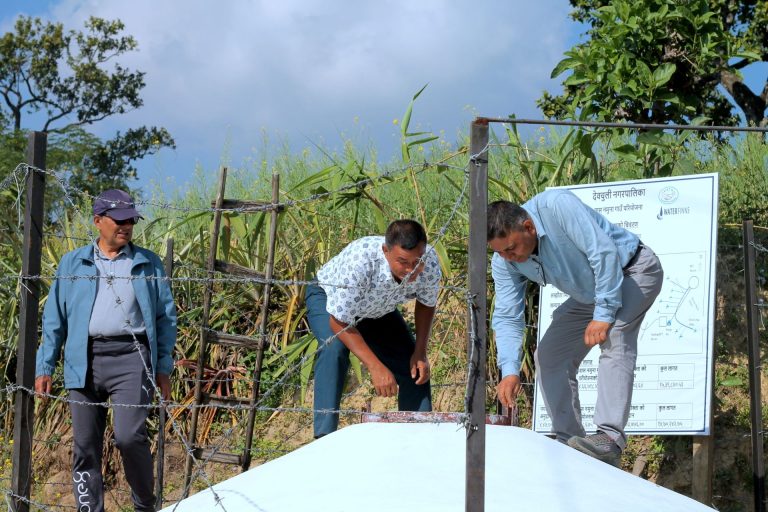
Also, projects in Nepal have been very successful, but I am not so familiar with them as I have not been directly involved in them.
What challenges have WaterFinns faced in projects?
The biggest challenges have been maintaining partner commitment and ensuring proper use of funds. There have been cases and projects, in which this has been an issue. Selecting reliable partners and ensuring their background and commitment to fair play is very important part of project preparation. We (seniors) have not always prepared and supported young project managers to encounter problems.
How has WaterFinns as an association changed over the past 25 years?
The core concept has remained quite stable.
While establishing WaterFinns we had more seniors involved and some of the seniors thought that they could continue their career on voluntary basis by being involved in WaterFinns. Our vision was that experienced professionals would remain active and support the community, but in practice, many have become inactive over time.
In earlier years, there were more joint events with companies, for example company visits, which helped build connections between young professionals and industry. These types of events seem less common now.
WaterFinns was also considered as a professional voice, for example by commenting on policy papers. It would be valuable to strengthen that role again in the future.
Is Waterfinns now the association you had in mind when establishing it?
The project activities are quite as we thought. We hoped to develop more of a social and professional community where senior members would stay engaged. At that time, many WaterFinns members were water engineers and geologists who had been working in Finnish projects and started their work in Mtwara- Lindi in Tanzania. I was one of those. So, we had an idea, that years after the project WaterFinns members would want to visit there as a group tour and reconnect. Even charter flight was discussed. Yet, the tour never happened.
How do you see the future of WaterFinns?
I hope that the projects will continue successfully and the collaboration between senior and junior professionals will remain a strong element. Like I said before, I would like projects to be bigger than they are. Meaning the impact being more that could be expected with small amount of money.
One valuable practice in the past was project preparation missions, where senior and junior members worked together. This helped younger professionals gain experience and grow into project manager roles. Without project preparation missions, it’s more difficult to start new projects on places where we have not worked before or have no earlier experience.